

















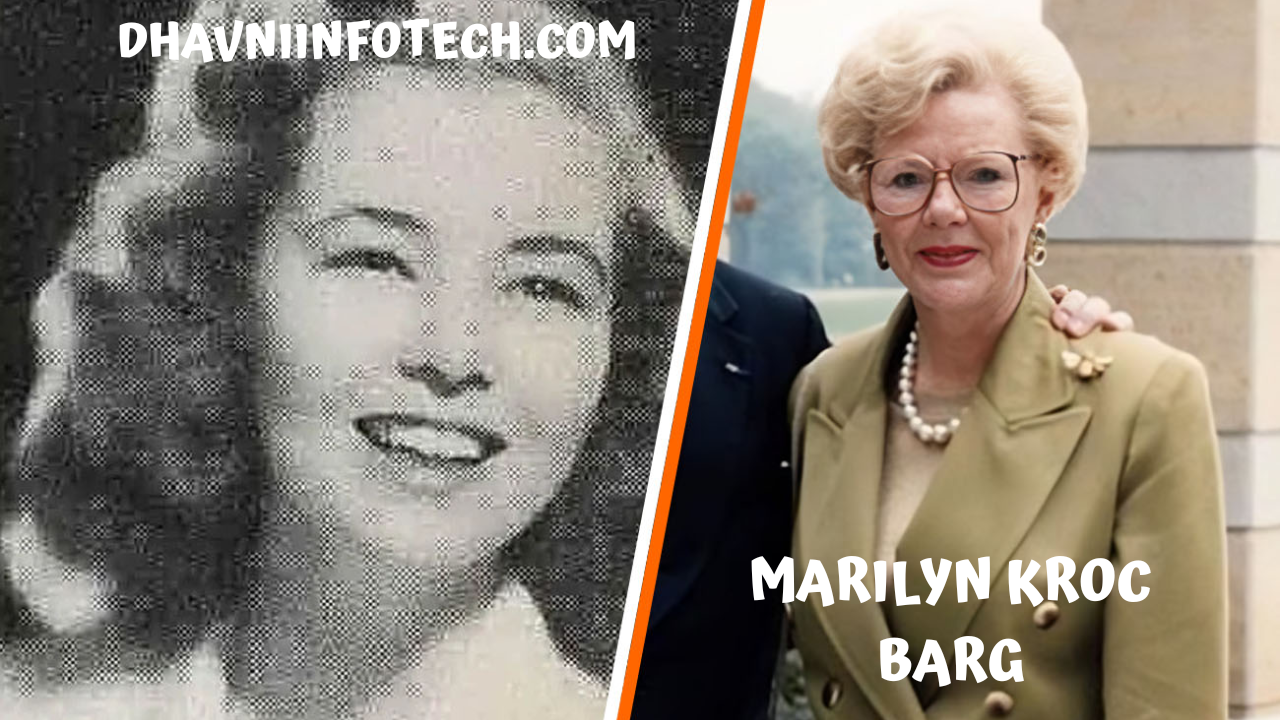
Marilyn Kroc Barg was born into a world where determination, innovation, and ambition shaped her family’s destiny. She was the beloved only daughter of Ray Kroc, the man who turned McDonald’s into one of the most recognizable and profitable restaurant chains in the world. Her mother, Ethel Fleming, was a graceful and supportive figure who stood beside Ray during the early, uncertain years of his business ventures. Marilyn’s childhood was filled with stories of her father’s struggle before the immense success of McDonald’s. While her father tirelessly worked on perfecting his business model, she experienced both the modesty of early beginnings and the comfort that came later with wealth and recognition. She grew up understanding the balance between aspiration and reality, between the human warmth of her mother and the ambition of her father.
Yet, despite being the only child of one of America’s most celebrated entrepreneurs, Marilyn’s life remained far more private than the brand that defined her family. She did not seek the limelight or the corporate stage her father dominated. Instead, she quietly observed the making of an empire from the background, surrounded by values of hard work and persistence. Her youth reflected the transitional period of American prosperity, where visionaries like Ray Kroc were changing the face of business forever, and she stood at the delicate intersection between the personal and the monumental.
Life in the Shadow of McDonald Success
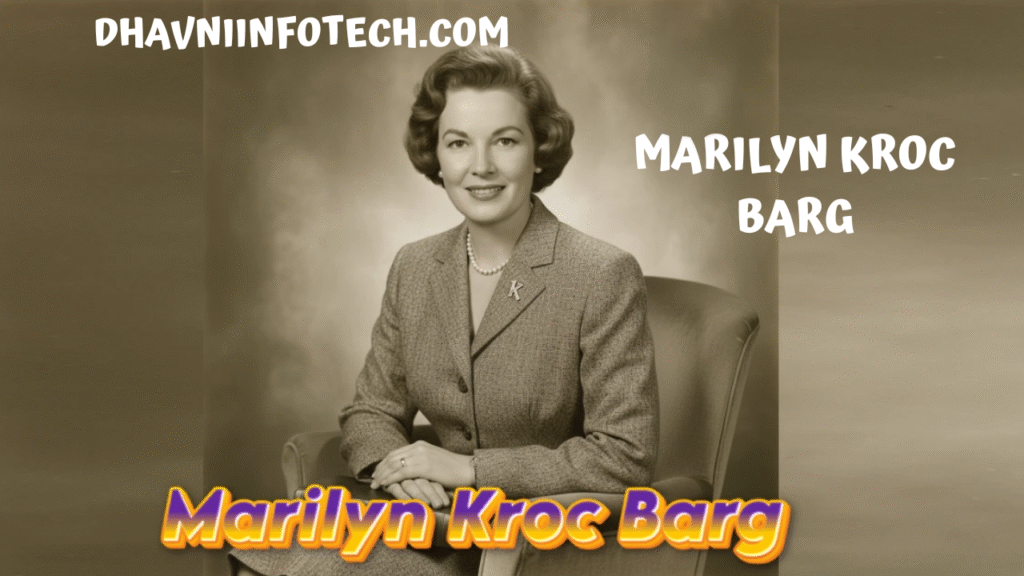
As McDonald’s rose to fame, Marilyn Kroc Barg found herself surrounded by the aura of success that seemed to follow her father everywhere. However, living in the shadow of a man who was tirelessly focused on his dream was not always easy. Ray Kroc’s world revolved around his mission to revolutionize fast food, and this often left little time for family connections. Marilyn’s life reflected the quiet consequence of growing up with a father whose ambition was larger than life. She admired his brilliance but also understood the emotional distance that came with such intensity. Her father’s devotion to McDonald’s shaped his legacy but also created emotional gaps that Marilyn would carry in silence.
Though she was part of a legacy associated with global success, Marilyn herself lived more humbly, preferring privacy and sincerity over publicity and fame. She grew into a woman of thought and compassion, grounded in values her parents instilled early on. While the world saw McDonald’s golden arches as a symbol of corporate triumph, Marilyn viewed it as a reminder of her father’s tireless work and sacrifice. The empire was his dream, but for her, it was also a complex inheritance of pride and distance, love and solitude.
Marriage and Personal Struggles of Marilyn Kroc Barg
Marilyn Kroc Barg’s adult life took her away from the corporate world into one of personal challenges and emotional journeys. She married twice, seeking companionship and stability beyond her father’s towering influence. Her marriages, though private, revealed her desire for genuine connection and normalcy in a life defined by extraordinary circumstances. Yet, behind her quiet elegance, Marilyn faced difficulties that tested her resilience and strength. Unlike her father, who was always in motion, she sought moments of stillness and meaning, hoping to find happiness in family life rather than in fortune.
Her second marriage to James Barg was particularly significant, but it was also marked by heartbreak. Marilyn’s health began to deteriorate due to complications from diabetes, a condition that gradually weakened her body. She faced her illness with courage, refusing to let it define her identity. Though her life was not as long as many expected, her quiet dignity and perseverance became the hidden chapter of the Kroc family story. In a world where fame and power dominated headlines, Marilyn represented the human side of a legacy built on ambition and innovation.
Philanthropic Influence and Compassionate Spirit
While her father, Ray Kroc, and later her stepmother, Joan Kroc, became well-known for their philanthropic endeavors, Marilyn Kroc Barg also shared the same humanitarian spirit. She was deeply aware of the responsibility that came with privilege and wealth. Even though she did not engage directly in the grand philanthropic gestures associated with the Kroc name, her heart leaned toward acts of compassion and empathy. Those who knew her described her as kind, thoughtful, and deeply considerate of others’ needs.
Marilyn’s quiet acts of generosity were less publicized but equally meaningful. She believed that giving was not about recognition but about making a real difference in people’s lives. Her understanding of empathy and her willingness to help others reflected the values instilled by her upbringing. Even in her private life, she carried an awareness of the social impact her family’s fortune could bring, but she chose to express it in humble, personal ways that matched her gentle character.
Relationship with Ray Kroc and Family Legacy
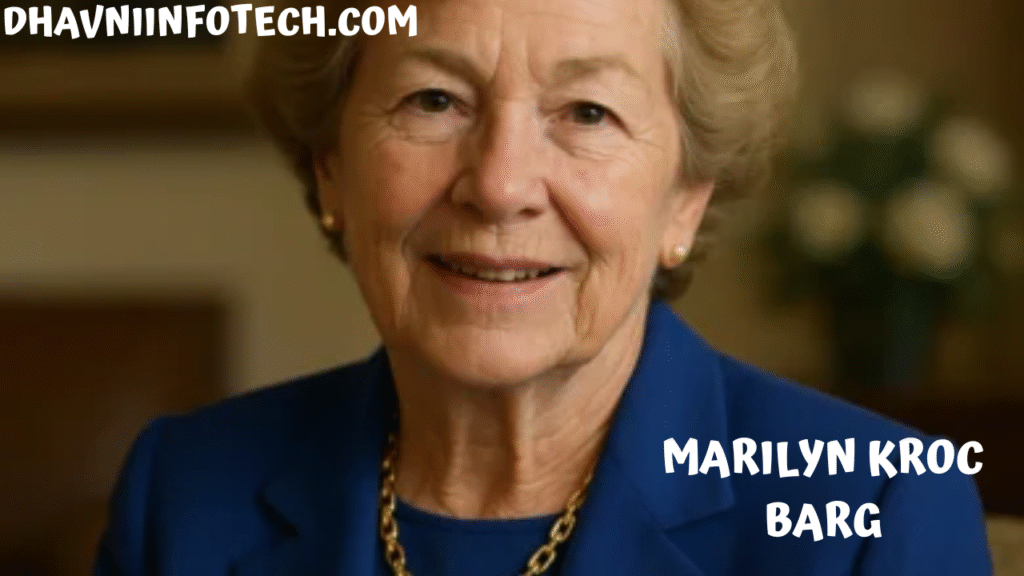
The relationship between Marilyn Kroc Barg and her father, Ray Kroc, was layered with both love and complexity. Ray’s dedication to McDonald’s was unparalleled, but it often left little time for family life. Marilyn admired his determination but also longed for more of his attention. Their bond, though strained at times, was rooted in mutual respect and quiet affection. As McDonald’s grew from a small business into a worldwide empire, Ray’s life became consumed by corporate growth and public expectations, leaving Marilyn to find her own space in a world shaped by his fame.
Despite the emotional distance, Marilyn remained proud of her father’s achievements. She understood that his legacy was not just about fast food but about transforming an industry and inspiring generations of entrepreneurs. Even after his passing, she carried his spirit of determination and innovation in her heart, remembering him not just as a businessman but as a father who taught her perseverance through example.
Tragic Health Decline and Untimely Death
Marilyn Kroc Barg’s later years were marked by her struggle with diabetes, a condition that slowly affected her health and vitality. Despite her medical challenges, she faced each day with courage and quiet strength. Her resilience in the face of illness revealed her inner fortitude and calm determination. Sadly, her life was cut short when she passed away in 1973 at the age of 48. Her death was a significant loss to the Kroc family and to those who knew her gentle soul.
The tragedy of her early passing contrasted sharply with the immense success of her family’s business empire. Her story became a reminder that even within the world of wealth and influence, human fragility remains universal. Marilyn’s life was brief but deeply meaningful, filled with lessons of grace, humility, and quiet endurance. Her legacy lives on not through public recognition but through the memory of her character and compassion.
Impact of Her Legacy on the Kroc Family Foundation
Although Marilyn Kroc Barg’s life ended before she could fully engage in the extensive philanthropy later pursued by her stepmother, Joan Kroc, her influence remained significant. Her gentle outlook on life and her appreciation for kindness helped shape the family’s approach to giving back to society. After her passing, the spirit of compassion she embodied continued to echo through the charitable work associated with the Kroc name. The Kroc Foundation, established later, reflected values that Marilyn also shared generosity, humility, and care for humanity.
Her father’s and stepmother’s philanthropic contributions to education, the arts, and social welfare were partly inspired by the empathy Marilyn carried in her heart. Even though she lived a quiet life, her emotional intelligence and compassion contributed to a legacy of kindness that extended far beyond McDonald’s golden arches.
Remembering Marilyn Kroc Barg True Essence
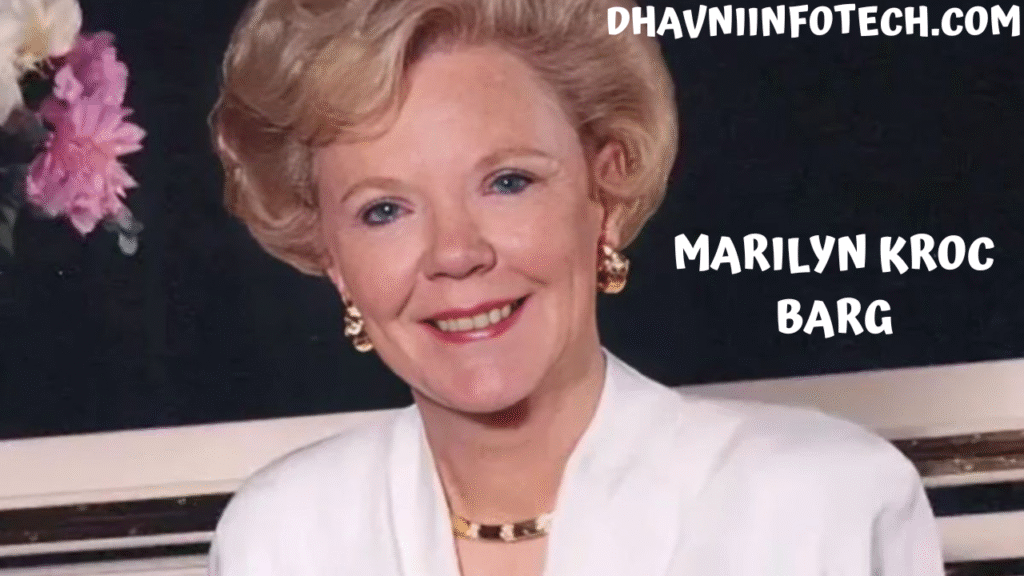
Today, Marilyn Kroc Barg is often remembered as the hidden heir a woman who lived away from fame but carried within her the warmth of the Kroc family’s humanity. She symbolized the emotional side of a dynasty known for corporate brilliance. Her story reminds the world that behind every public empire lies private struggles and untold strength. While Ray Kroc’s name is etched in the history of business innovation, Marilyn’s name resonates with quiet dignity and grace.
Her life story offers a balance to the narrative of relentless ambition, showing that love, empathy, and reflection are just as valuable as achievement and recognition. Marilyn Kroc Barg’s memory endures not because of fame but because of her authenticity, humility, and unwavering human spirit.
Conclusion
Conclusion: Marilyn Kroc Barg’s life, though short, was filled with grace, reflection, and quiet courage. She lived in the shadow of a global empire yet created her own path of humility and kindness. As the only child of Ray Kroc, she carried both the pride and burden of the McDonald’s legacy, yet she remained steadfast in her individuality. Her untold story continues to inspire those who believe that a meaningful life is not defined by wealth or fame, but by compassion and integrity.
FAQs
Q1: Who was Marilyn Kroc Barg?
Marilyn Kroc Barg was the only daughter of McDonald’s founder Ray Kroc and his first wife, Ethel Fleming. She lived a private life away from the spotlight.
Q2: How did Marilyn Kroc Barg pass away?
She passed away in 1973 due to complications from diabetes at the age of 48.
Q3: What was her role in the McDonald’s legacy?
While she did not take part in the company’s operations, her moral influence and compassion reflected the heart of the Kroc family’s philanthropic values.
Q4: Was Marilyn Kroc Barg involved in charity?
Yes, though her acts were private and understated, she was known for her generosity and kindness toward others.
Q5: How is Marilyn Kroc Barg remembered today?
She is remembered as the gentle, compassionate daughter of Ray Kroc, whose quiet strength and humanity added depth to the story of the McDonald’s empire.
Read More: Doge Hhs migrant housing contract full explanation of system responsibility and humanitarian vision