


















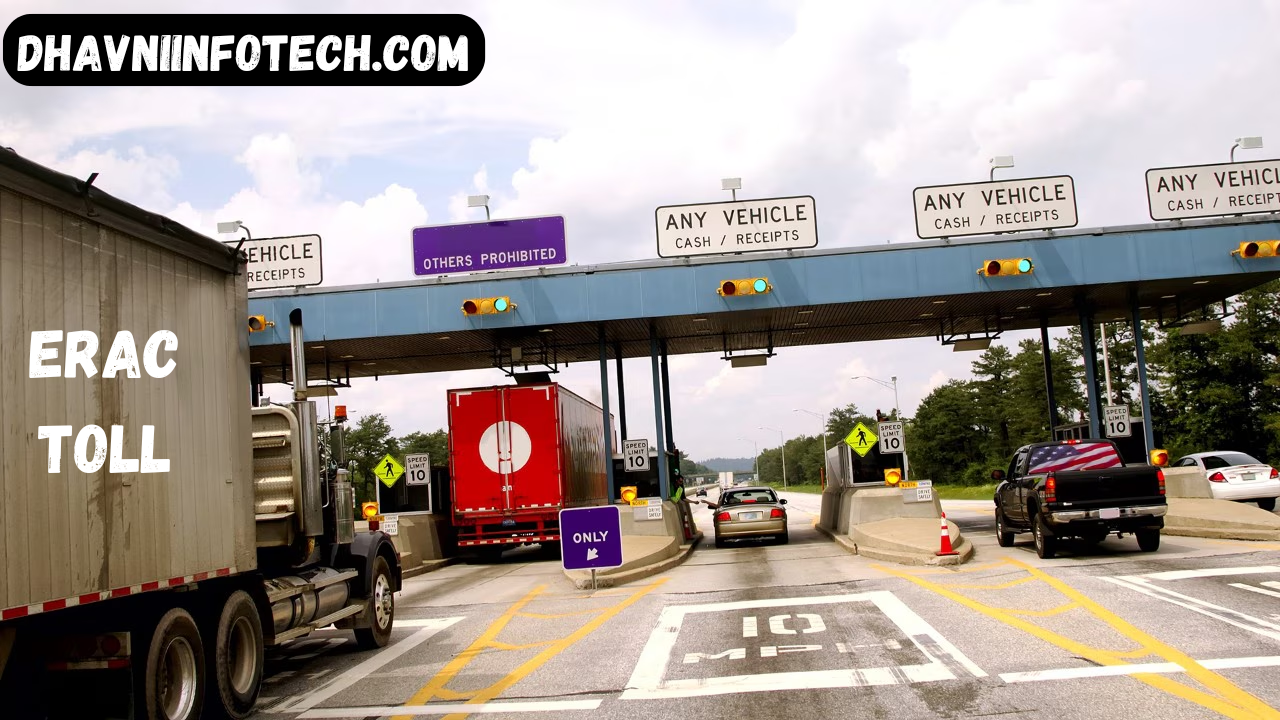
The term erac toll has steadily become more familiar in discussions about transportation systems, automated fee collection, and modern mobility solutions. As global infrastructure continues to evolve, many countries and industries are shifting toward smarter, faster, and more efficient tolling systems. In this context, erac toll represents an increasingly relevant concept—one that blends technology, efficiency, and user convenience. Whether you are a daily commuter, a logistics business owner, or simply someone interested in how smart transport systems work, erac toll is an important topic to understand.
At its core, erac toll refers to a tolling system or fee mechanism used to manage and regulate traffic flow, collect revenue, and maintain road infrastructure. While every tolling method has its characteristics, erac toll stands out due to its modernized approach, operational efficiency, and adaptability across various environments. This article offers a deep exploration of erac toll, including how it works, its advantages, its challenges, and why it has become a vital part of contemporary transportation planning.
How erac toll Works in Modern Transportation

The erac toll system operates using a combination of automated technology, digital tracking, and streamlined payment processes. Unlike traditional toll booths that require vehicles to stop, erac toll is typically designed with seamless movement in mind, reducing traffic congestion and improving the overall driving experience. The technology behind erac toll may include sensors, vehicle recognition systems, RFID tags, or other contactless methods that identify the vehicle and charge the appropriate toll fee.
In many cases, erac toll operates through electronic toll collection, allowing vehicles to pass through toll points at normal speeds. The system automatically reads the vehicle’s information and calculates the toll amount based on distance, road usage, or predetermined rates. This automation not only saves time but also reduces the need for manual toll operators. As cities become more connected through digital infrastructure, erac toll systems help pave the way toward efficient urban mobility.
The Role of erac toll in Traffic Management
Traffic management has become increasingly challenging as urban populations grow and vehicle usage rises. The erac toll system acts as a crucial tool for traffic planners, helping regulate and distribute traffic more evenly across roads. By strategically placing erac toll points or implementing dynamic pricing models, authorities can discourage overcrowding in certain areas and encourage drivers to use alternative routes.
Moreover, erac toll helps in reducing long queues at toll plazas, ensuring that vehicles move smoothly even during peak hours. This contributes not only to better road conditions but also to improved fuel efficiency and reduced emissions. In a world where sustainability and environmental conservation are major priorities, erac toll systems support greener transportation solutions.
Why erac toll Is Beneficial for Commuters and Businesses
From everyday drivers to large logistics companies, erac toll provides multiple advantages. One of the biggest benefits is time-saving; commuters no longer need to stop or slow down at toll booths, enabling faster travel. For businesses, especially shipping and delivery companies, erac toll helps optimize travel routes and reduce unnecessary delays.
Another benefit is transparency. The erac toll system ensures accurate billing and record-keeping, which is particularly helpful for companies that track mileage and transportation expenses. Many erac toll systems also integrate with digital payment platforms, making it easy for users to view their toll history, manage payments, and plan their journeys more effectively.
In addition, erac toll contributes to better infrastructure development. The funds collected through toll systems are often used to maintain and upgrade roads, bridges, and highways. This means that commuters ultimately benefit from improved travel conditions and safer roads.
Technology Behind erac toll and Its Evolution

The concept of erac toll is rooted in advanced technology that continues to evolve each year. Initially, tolling systems relied heavily on human operators and cash-based payments. Over time, digital transformation introduced new possibilities such as automatic number plate recognition, smart sensors, GPS-based toll calculations, and virtual tolling.
Today, the erac toll system may integrate multiple technologies simultaneously, including cloud-based databases, machine learning algorithms for vehicle classification, and real-time monitoring tools. These innovations increase accuracy and reduce the chances of dispute or error. As cities worldwide move toward intelligent transportation systems, erac toll is expected to incorporate even more sophisticated features such as AI-driven traffic predictions, vehicle-to-infrastructure communication, and enhanced security protocols.
Challenges and Limitations of erac toll
Despite its many benefits, erac toll also faces certain limitations. One challenge involves the initial cost of implementation. Deploying sensors, cameras, and electronic systems can be expensive, especially for large and busy road networks. Maintenance is another concern; erac toll systems require regular upkeep to ensure the technology remains functional and accurate.
User adaptation can also be challenging. In regions where digital literacy or access to modern payment methods is limited, drivers may face difficulties transitioning from traditional toll booths to automated erac toll systems. Privacy concerns have also emerged, as electronic tolling requires tracking vehicle movement. Ensuring that such data remains secure is essential.
Furthermore, technical failures—though rare—can cause inconvenience. If a device malfunctions or system errors occur, vehicles may be mischarged or traffic flow may be disrupted. Continuous improvement and monitoring are crucial in overcoming these challenges.
Future of erac toll in Global Mobility
The future of erac toll is bright, as cities continue to invest in smarter, more efficient infrastructure solutions. With advancements in digital connectivity and smart transportation, erac toll is expected to become even more refined. Automated tolling may eventually become the global standard, replacing manual toll booths entirely.
Future erac toll systems may incorporate eco-friendly incentives, such as reduced tolls for electric or hybrid vehicles. Dynamic pricing models could become widely used, adjusting toll rates based on traffic density, weather conditions, or special events. As automotive technology evolves, erac toll will likely integrate seamlessly with autonomous vehicles, enabling fully automated navigation through toll sections without human involvement.
Importance of Public Awareness About erac toll

For erac toll to function effectively, public understanding and acceptance are crucial. Educating drivers about how erac toll works, the benefits it brings, and how to use the system properly helps ensure smoother adoption. Clear communication from authorities and transportation agencies can also reduce confusion or resistance, making the implementation process more efficient.
Public awareness campaigns may include digital guides, mobile app instructions, or signage explaining erac toll procedures. When drivers understand the long-term advantages—such as faster commutes, reduced fuel usage, and improved road conditions—the overall success of erac toll becomes more achievable.
FAQs About erac toll
What is erac toll?
erac toll refers to an automated toll system designed to collect fees, manage traffic, and improve transportation efficiency using advanced technology.
How does erac toll charge vehicles?
erac toll uses sensors or recognition systems to identify vehicles and automatically deduct the appropriate toll amount from a linked account or payment method.
Is erac toll faster than traditional toll booths?
Yes, erac toll allows vehicles to pass through without stopping, making travel quicker and reducing congestion.
Does erac toll help reduce pollution?
Yes, by eliminating long waiting lines and unnecessary idling, erac toll supports cleaner and more sustainable transportation.
Can businesses benefit from erac toll?
Absolutely, businesses experience reduced travel time, better route planning, and simplified toll expense tracking.
Read More: The Evolving Legacy and Vision of karron eubank in Modern Creative Innovation