





















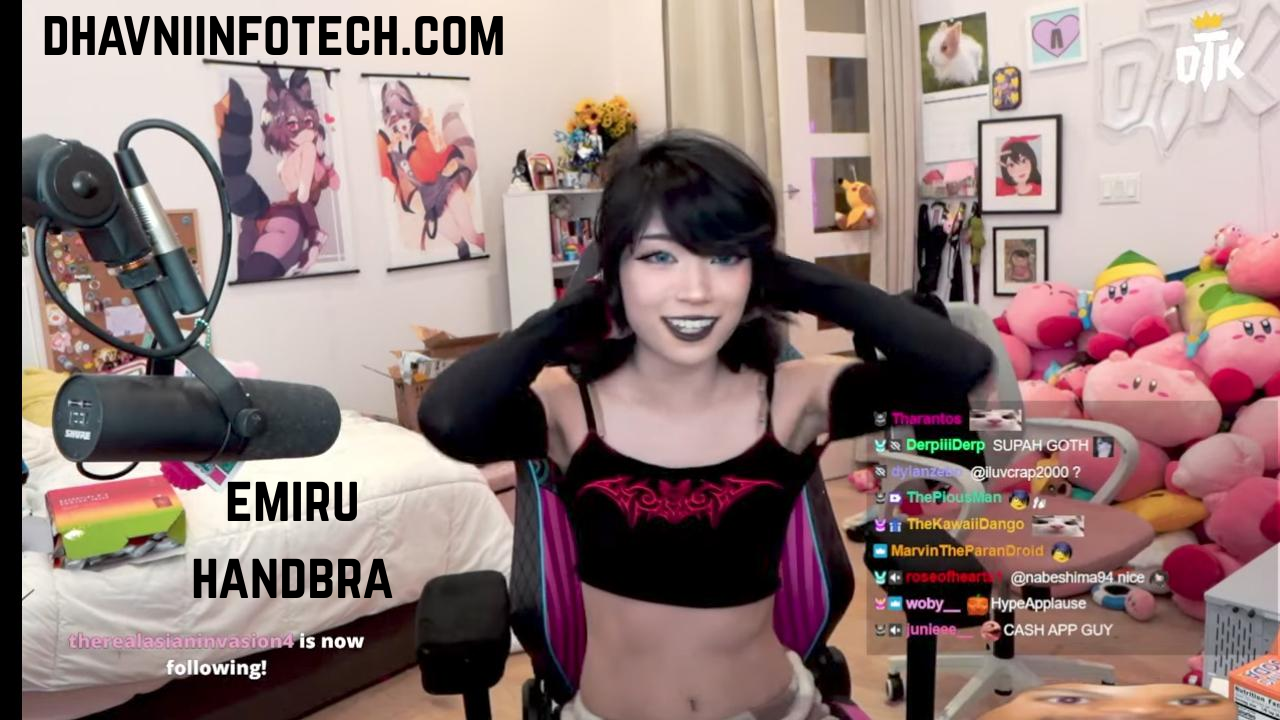
Emiru has become one of the most recognizable figures in the online cosplay and streaming community, capturing the attention of millions through her engaging personality, artistic cosplay, and online presence. Over the years, her influence has grown beyond just gaming streams and cosplay showcases, representing a broader shift in how audiences engage with digital creators. The attention she receives, including viral moments often circulated as memes or shorthand phrases such as “Emiru handbra,” highlights both the enthusiasm and the challenges of online fandom. Understanding her popularity provides insight into how cosplay has evolved from a niche hobby to a mainstream cultural phenomenon, bridging creativity, entertainment, and personal branding.
The Evolution of Cosplay and Digital Fame
Cosplay, short for “costume play,” has been a part of fan culture for decades, originating in conventions and fan gatherings. Emiru’s rise coincides with the era of live streaming, social media, and instant online sharing, which has dramatically changed the dynamics of fame. Creators like her now interact directly with millions of fans worldwide, turning artistic expressions into viral content. While cosplay primarily celebrates artistry and character embodiment, the viral nature of digital platforms means that specific moments, poses, or outfits can gain disproportionate attention, sometimes overshadowing the creator’s skills or personality. This tension between artistry and virality is a defining feature of modern digital fame.
Viral Moments and Online Trends
The term “Emiru handbra” became widely discussed not because of her cosplay alone but because certain images and clips circulated rapidly online, emphasizing suggestive imagery. While this phrase gained traction in fandom discussions, it also raised questions about privacy, respect, and audience responsibility. Viral trends in online culture often amplify minor actions or visuals, sometimes misrepresenting a creator’s intentions or reducing complex artistry to a single sensationalized moment. Emiru’s experience demonstrates how digital fame can be both empowering and challenging, requiring creators to navigate an environment where audience attention can be unpredictable and sometimes invasive.
Emiru’s Approach to Creativity

Despite viral moments and widespread attention, Emiru’s core strength lies in her creativity and dedication to cosplay. She meticulously designs outfits, studies characters, and integrates her personality into each performance, elevating her work beyond simple imitation. The dedication required for cosplay involves sewing, makeup artistry, and even performance skills, reflecting a multifaceted form of artistry often overlooked when viral trends focus on sensationalized imagery. By maintaining a professional and engaging online presence, Emiru showcases how a creator can balance artistic integrity with audience expectations while navigating the pressures of constant visibility.
The Role of Streaming Platforms
Streaming platforms have played a crucial role in Emiru’s popularity, providing a space where fans can interact in real-time. Unlike traditional media, these platforms allow creators to engage directly with audiences through chat, polls, and live reactions, fostering a sense of intimacy and community. This dynamic creates opportunities for both creative expression and viral moments, where small gestures or unique performances can rapidly become widely shared. The interactive nature of streaming underscores the evolving relationship between creators and audiences, where fame is participatory rather than passive. Emiru’s success highlights how a strong digital presence can amplify creative output and connect with a global fanbase.
Fandom Culture and Online Ethics
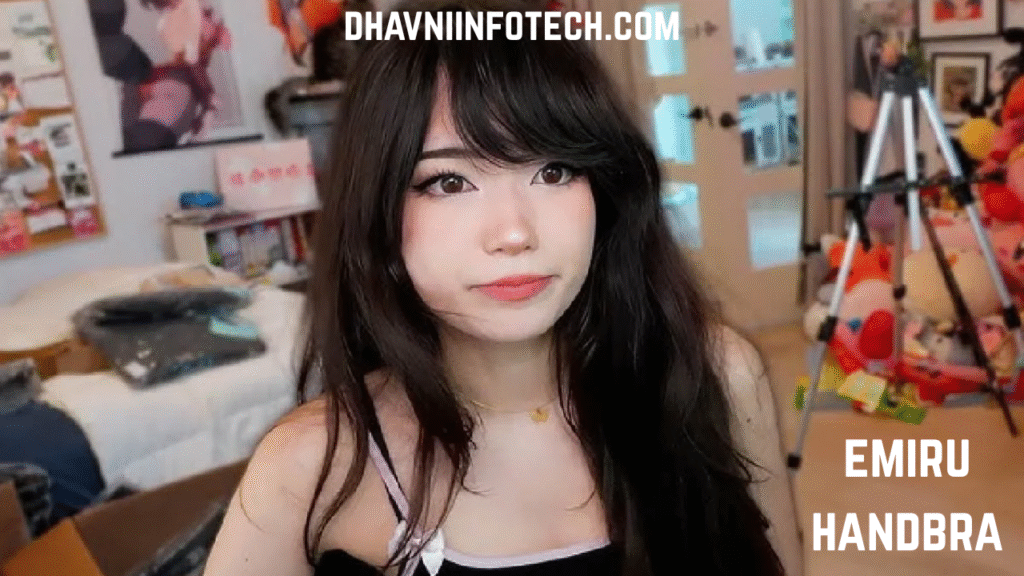
The attention surrounding phrases like “Emiru handbra” reveals much about fandom culture and the ethical questions surrounding online content. Fans often blur the line between admiration and objectification, sharing images or clips without considering the creator’s consent or intention. Discussions around such topics emphasize the importance of digital ethics, responsible sharing, and the impact of online communities on creator well-being. Emiru’s case exemplifies how creators must navigate these complex dynamics, maintaining boundaries while fostering engagement and building a supportive, respectful fan community.
Social Media Amplification and Memes
Memes and viral content have transformed how online audiences interact with creators. In Emiru’s case, the rapid spread of certain images or phrases reflects the power of social media to amplify content far beyond its original context. While memes can generate recognition and broaden a creator’s reach, they can also distort perceptions and reduce nuanced artistic work to a single moment or joke. Understanding this duality is essential for both fans and creators, highlighting the challenges of maintaining agency over one’s image and managing the unpredictable flow of online attention.
Impact on Personal Branding
For creators like Emiru, viral moments, whether positive or controversial, play a significant role in personal branding. Building a recognizable and respected online persona involves balancing visibility with professionalism, authenticity, and audience engagement. The phenomenon surrounding “Emiru handbra” illustrates how creators must carefully manage their digital footprint, emphasizing artistry and personality over sensationalized content. Successful personal branding in the digital age requires strategic choices about what to share, how to respond to trends, and how to cultivate a long-term reputation that transcends fleeting viral moments.
Navigating Privacy and Public Perception
Digital fame inevitably brings challenges related to privacy and public perception. For creators in visually-driven fields like cosplay, striking a balance between self-expression and protecting personal boundaries is crucial. Emiru’s experience demonstrates that while viral attention can elevate a creator’s profile, it can also create pressure to conform to audience expectations or tolerate objectification. Navigating these challenges requires careful management of content, clear communication with fans, and a commitment to personal values, ensuring that public perception aligns with the creator’s vision rather than reducing them to a single narrative or image.
Conclusion
Emiru’s journey highlights the intersection of creativity, fandom, and digital culture. From the viral spread of terms like “Emiru handbra” to her dedication to cosplay artistry, her career illustrates the opportunities and challenges faced by modern digital creators. By understanding these dynamics, fans can appreciate the artistry behind cosplay, engage responsibly with online content, and support creators in a way that respects their boundaries. Emiru’s story reflects a broader cultural shift where fame, creativity, and online ethics intersect, offering lessons for both creators and audiences in the digital age.
FAQs
Q1: What is Emiru known for?
Emiru is known for her cosplay artistry, live streaming, and engaging online presence, combining creativity with entertainment.
Q2: What does “Emiru handbra” refer to?
It refers to viral content associated with Emiru, highlighting how certain moments gain attention online.
Q3: How has cosplay culture evolved online?
Cosplay has expanded from conventions to digital platforms, allowing creators to reach global audiences and gain viral recognition.
Q4: How should fans engage responsibly?
Fans should respect creators’ boundaries, avoid sharing content without consent, and appreciate artistry beyond sensationalized moments.
Q5: What challenges do digital creators face?
Creators must navigate viral trends, maintain privacy, manage public perception, and balance creativity with audience expectations.
Read More: Judy Stewart-Merrill A Graceful Journey Through Art Family and Legacy