



















The term classroom 30x has begun to appear across educational discussions and digital learning environments, representing a modern approach to classroom innovation, technology integration, and enhanced learning experiences. As schools and educators move toward more advanced instructional models, classroom 30x symbolizes a shift toward higher-capacity learning spaces where digital tools, interactive platforms, and adaptive techniques come together. Its structure reflects expansion, modernization, and performance, making classroom 30x a useful conceptual identifier for educators planning future-ready learning strategies.
Classroom 30x is increasingly seen as a benchmark for how learning environments can evolve to support larger groups, deeper engagement, and more dynamic instructional methods. Whether applied to physical classrooms, online teaching frameworks, or hybrid learning systems, classroom 30x carries the idea of enhanced capability and purposeful design. In a time where technology plays a crucial role in student achievement, classroom 30x represents both opportunity and transformation.
As education continues to adapt to digital innovation, classroom 30x remains relevant as a flexible and forward-thinking term. Understanding its uses, potential, and relevance helps educators, administrators, and creators design environments that maximize learning outcomes while embracing the future of education.
Understanding the Purpose of classroom 30x
The purpose of classroom 30x is often tied to creating classrooms capable of supporting expanded learning possibilities. Its identity suggests a model that goes beyond traditional teaching spaces to integrate technology, multimedia tools, and collaborative opportunities. Classroom 30x becomes a symbol of enhanced performance, higher engagement, and improved instructional structure.
Educators use classroom 30x to describe upgraded learning environments that meet the needs of diverse students in today’s digital landscape. The model emphasizes accessibility, adaptability, and scalability, ensuring that classrooms evolve alongside changing academic requirements. This makes classroom 30x a strong conceptual foundation for designing or rethinking educational spaces.
As education becomes increasingly interdisciplinary, classroom 30x helps anchor discussions about improvement, modernization, and innovation. It reflects the larger goal of transforming classrooms into highly functional learning ecosystems.
How classroom 30x Functions in Modern Education
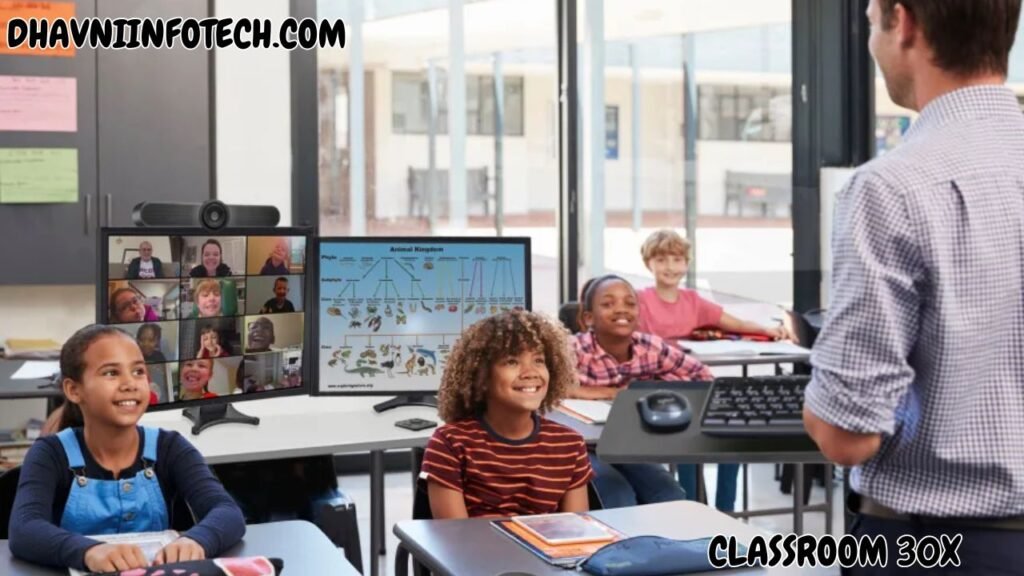
Classroom 30x functions as a guiding concept for structuring high-capacity learning environments that blend technology with proven teaching methods. In physical classrooms, it may refer to increased seating capacity supported by digital enhancements that prevent overcrowding from affecting quality. In virtual or hybrid settings, classroom 30x signals a more powerful, more scalable instructional system.
Instructors use classroom 30x to plan lessons that incorporate interactive screens, online collaboration tools, advanced communication platforms, and flexible seating arrangements. This supports diverse learning styles and fosters higher engagement. By functioning across physical and digital settings, classroom 30x becomes a hybrid model suited for the evolving educational world.
The adaptability of classroom 30x ensures that it can fit into elementary, secondary, or higher-education environments without restriction. Its universal structure supports creative teaching, efficient classroom management, and long-term planning.
The Evolution of the classroom 30x Concept
Classroom 30x represents the natural evolution of traditional classrooms into more dynamic learning spaces. As education shifts toward technology-supported instruction, classrooms must accommodate new hardware, online resources, and real-time collaboration. Classroom 30x captures this evolution by focusing on expanded capabilities rather than simply expanded size.
Over time, the term classroom 30x has come to symbolize a blend of physical improvement and digital advancement. It reflects a future where learning environments adapt continually to support student development. The evolution of classroom 30x introduces a mindset of innovation, encouraging educators to move beyond outdated structures and embrace modern solutions.
Because educational demands change rapidly, the evolution of classroom 30x will continue, adapting to new technologies and pedagogical theories.
Technology Integration in classroom 30x
Classroom 30x emphasizes advanced technology integration as a core element. Digital screens, high-speed connectivity, interactive software, and virtual collaboration tools help support a wide range of instructional methods. Technology becomes a natural extension of the teaching process rather than a separate component.
In classroom 30x, educators rely on multimedia resources to create immersive learning experiences. Real-time data, digital assessments, and cloud-based resources enrich lessons and provide students with accessible learning opportunities. Technology integration ensures that classroom 30x remains relevant in both online and in-person educational settings.
By embracing technology fully, classroom 30x creates a pathway for personalized learning, interactive exploration, and global connection.
Classroom 30x as a Model for Student Engagement
Classroom 30x encourages higher levels of engagement by promoting interaction, collaboration, and participatory learning. Instead of passively absorbing information, students in classroom 30x environments become active contributors to their learning experience. This increases motivation and deepens understanding.
The model supports diverse instructional methods such as group work, problem-based learning, hands-on activities, and digital interaction. These approaches foster curiosity and allow students to connect personal experiences with academic content. Classroom 30x reflects the understanding that engaged learners retain information more effectively and develop stronger critical-thinking skills.
In modern education, engagement is essential, making classroom 30x a strong model for achieving meaningful participation.
Classroom Management Strategies in classroom 30x
Classroom 30x also influences classroom management by encouraging flexible structures that adapt to student needs. Educators use seating arrangements, digital organization tools, and streamlined workflows to maintain order without sacrificing creativity.
Clear communication, structured routines, and digital oversight tools help support the organization of classroom 30x. Because the model may serve larger or more diverse groups, management strategies become essential for ensuring smooth operation.
Classroom 30x emphasizes balance: it supports structure while welcoming innovation, offering a strong foundation for teachers seeking both order and adaptability.
Learning Outcomes Supported by classroom 30x
Classroom 30x enhances learning outcomes by creating an environment where students can absorb information more effectively. The combination of technology, structure, and engagement leads to deeper comprehension and improved academic performance.
Students benefit from immediate access to digital resources, opportunities for collaboration, and interactive lessons that reinforce key concepts. Classroom 30x supports learners at different skill levels, helping bridge learning gaps and promote long-term improvement.
Because learning outcomes reflect both academic growth and personal development, classroom 30x becomes a framework for holistic education.
Hybrid Learning in classroom 30x
Hybrid learning plays an important role in classroom 30x, bridging physical and digital spaces. The model supports students who learn onsite as well as remotely, ensuring equal access to resources and instruction. Tools such as video conferencing, virtual classrooms, and online platforms become integrated components.
Hybrid learning in classroom 30x enhances flexibility and allows students to continue their education despite geographical or personal limitations. It ensures continuity and resilience in the face of unexpected challenges.
Classroom 30x positions hybrid learning not as an alternative but as a natural extension of modern education.
Accessibility and Inclusivity in classroom 30x

Classroom 30x encourages inclusivity by ensuring that educational tools and structures accommodate all learners. Digital resources improve accessibility for students with disabilities, language barriers, or diverse learning preferences.
By designing classroom 30x with inclusivity in mind, educators create environments where every student feels valued and supported. Adaptable tools, closed-caption platforms, adjustable seating, and digital differentiation contribute to a more equitable classroom.
Inclusivity strengthens the long-term success of classroom 30x as a model for modern education.
Design Principles Behind classroom 30x
Design plays a central role in classroom 30x. Lighting, seating, layout, and technology placement all influence student focus and engagement. A well-designed classroom 30x enhances comfort, reduces distractions, and encourages collaboration.
The design principles behind classroom 30x prioritize openness, flexibility, and accessibility. Movable desks, modular spaces, and accessible tech stations support multiple instructional formats and learning styles.
Strong design ensures that classroom 30x is efficient, functional, and inspiring.
Classroom 30x in Remote Learning Environments
In remote learning settings, classroom 30x becomes a conceptual model rather than a physical one. It represents organized digital platforms, structured learning modules, and virtual tools that replicate the structure of an effective classroom.
Students in remote versions of classroom 30x benefit from clear navigation, multimedia lessons, and real-time communication with instructors. This digital adaptation ensures that classroom principles remain effective even outside a traditional school setting.
Classroom 30x in remote learning demonstrates how educational frameworks evolve to meet digital demands.
Future Potential of classroom 30x
The future potential of classroom 30x is vast, as it aligns naturally with advancements in AI-powered tools, immersive learning environments, and global education networks. As technology becomes more intuitive, classroom 30x may evolve into even more interactive and personalized learning spaces.
The model can expand to support international collaboration, advanced analytics, and deeper personalization. Classroom 30x reflects the future of education, where innovation drives continuous improvement.
Its long-term potential makes classroom 30x a forward-looking framework for educators and institutions.
Challenges Associated with classroom 30x
Despite its benefits, classroom 30x faces challenges such as training requirements, technology costs, and infrastructure limitations. Educators must learn to navigate digital tools effectively, and schools must ensure reliable internet access and up-to-date devices.
These challenges encourage thoughtful planning and strategic investment to ensure that classroom 30x remains sustainable. Understanding potential obstacles helps institutions implement the model successfully.
Addressing challenges allows classroom 30x to function at its full potential.
Conclusion
Classroom 30x represents a transformative model that blends technology, engagement, accessibility, and strong design to create powerful learning environments. It offers a modern framework for educators seeking to elevate student outcomes and adapt to an evolving educational landscape. Through flexibility, structure, and innovation, classroom 30x stands as a symbol of future-ready education.
As classrooms continue to evolve, classroom 30x will remain a guiding concept for modern teaching. Its ability to adapt across physical, hybrid, and digital environments ensures long-term relevance. By understanding its meaning, functions, and applications, educators can use classroom 30x to build environments that support student success and inspire lifelong learning.
Also read: Unbanned G+ Understanding the Meaning Uses and Growing Popularity of This Modern Digital Term