
















Art has always been a way to connect people to place. Along sunlit shores and salt-scented winds, a special cluster of creative expression has taken root — a blend of maritime memory, recycled materials and hands-on technique that brings the Gulf coast into homes and hearts. At the center of this movement is a vibrant showcase best known as art thunderonthegulf craft, a celebration where makers, visitors and families meet to make, share and take home pieces of the coast. This article explores everything you need to know about art thunderonthegulf craft: its spirit, the kinds of work you’ll find, how artists make it, the community and environmental value behind it, and practical tips for enjoying and bringing this coastal aesthetic into your life.
Why art thunderonthegulf craft matters more than a market
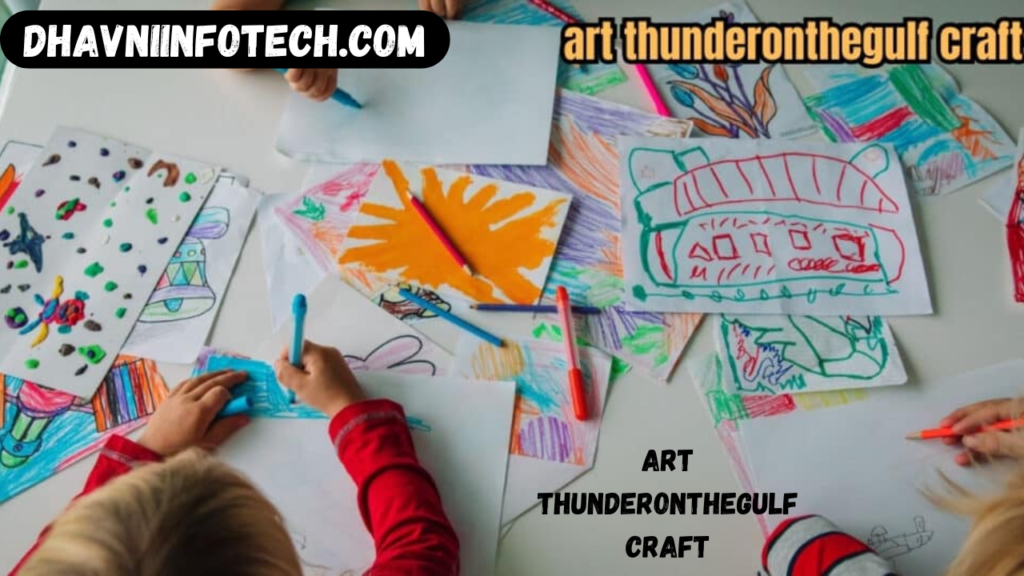
At first glance, art thunderonthegulf craft may look like a collection of pretty objects laid out in booths or tents. That is the surface. Beneath it lies a deep connection to place — the Gulf shoreline, its materials and its daily rhythms. The craft displays and workshops are not just commerce: they are cultural storytelling. Makers use driftwood, sea glass, shells, reclaimed metal and sand to capture the coastline’s moods. Families attend hands-on sessions, children learn simple craft skills, and local artists earn meaningful income while preserving and reimagining coastal traditions.
This combination of commerce, craft and community is why the movement is important: it transforms local resources and memories into tangible art, connects people across generations, and encourages sustainable approaches to making and consuming art.
A brief look at the origins and evolution
Coastal craft traditions are ancient — people have always used materials washed ashore for practical and decorative purposes. The current organized form of art thunderonthegulf craft grew from small seaside stalls, summer markets and festival craft tents into a more deliberate craft village. Over time it gathered momentum: makers who once sold only locally started networking with regional festivals and collectors, workshops added structured lessons, and craft areas evolved to include demonstrations, family activities and curated artisan markets. What began as modest pop-ups is now a recognized segment of community festivals and craft fairs, bringing wider attention to coastal makers and their stories.
What you’ll see at art thunderonthegulf craft
When you visit an art thunderonthegulf craft display or event, expect variety. The following categories are common and reflect both practical craft and fine art.
Marine-inspired jewelry
Handmade necklaces, bracelets and earrings often incorporate local sea glass, polished shells, small pieces of driftwood and nautical hardware. Jewelry makers combine metalworking, wire wrapping, bead stringing and sometimes resin casting to preserve fragile finds into wearable art.
Driftwood and reclaimed wood pieces
Driftwood becomes everything from wall hangings and sculptures to small tables and candle holders. Makers treat and stabilize wood, then carve, assemble or join pieces into decorative forms. These are prized for their one-of-a-kind shapes and the subtle, weathered textures that only time at sea can produce.
Pottery and ceramics
Local clay artists create bowls, tiles and vessels glazed in coastal colors or pressed with shell and sand textures. The tactile quality of clay and the permanence of fired ceramic make these pieces a lasting reminder of coastal craft traditions.
Textile art and soft crafts
From hand-stitched pillows to woven baskets, textile artists bring color and softness into the coastal craft aesthetic. Some works use natural fibers harvested or dyed with sea-inspired palettes; others incorporate printed motifs such as waves, fish or maritime symbols.
Mixed-media and coastal paintings
Painters and mixed-media artists often layer sand, shell fragments or found objects into seascapes and abstract works, blending narrative and texture. Mixed-media pieces can read as both memory and map — a literal imprint of shore materials on canvas or board.
Functional homewares
Hand-thrown mugs, serving boards, driftwood frames and upcycled metal lighting reflect the marriage of beauty and utility that many visitors seek. These items are small investments with practical daily use, often reminding the owner of a coastal day long after the trip ends.
Tools materials and techniques how the art is made
The tools and methods used by artists at art thunderonthegulf craft range from simple to specialized, but many share a few common practices.
Sourcing materials responsibly
Responsible sourcing is central to the ethos. Makers prioritize reclaimed wood, legally and ethically gathered shells, and beach glass that is already free and harmless to the environment. Many artisans repurpose driftwood or reclaimed lumber, and some use leftover materials from maritime industries to reduce waste.
Stabilization and preservation
Natural finds like driftwood and certain shells must be treated to prevent decay. Stabilizing wood with sealants or gentle cleaning, and sealing mixed-media pieces with clear coats, ensures the longevity of the final work. Potters and ceramicists rely on proper firing cycles to ensure durability.
Combining traditional and modern techniques
Artists often blend traditional handwork — carving, hand-thrown pottery, weaving — with modern enhancements like resin stabilization, laser-cut fittings or metal mounting. This hybrid approach retains craft authenticity while improving durability and finishing.
Surface treatments and finishes
Sanding, natural oils, marine-grade sealants and non-yellowing varnishes are common surface treatments. These preserve the texture and color of materials while protecting pieces from humidity and sun exposure.
Workshops demonstrations and family activities
One of the most appealing aspects of art thunderonthegulf craft is its interactivity. Events often include skill demonstrations and hands-on workshops designed for all ages and skill levels.
Beginner-friendly workshops
Simple projects such as seashell picture frames, sea glass bead making, and small driftwood mobiles are popular entry points. These sessions teach basic techniques and allow visitors to create a keepsake in an afternoon.
Intermediate and specialized classes
For those with more interest, some workshops cover pottery basics, resin casting, advanced jewelry techniques or wood joining. These classes often require prior sign-up but yield more polished results and technical growth.
Live demonstrations
Watching an artisan at work — carving driftwood, forming a pot on a wheel, or soldering metal — is both instructive and captivating. Demonstrations give visitors a sense of process that enriches appreciation and often leads to more intentional purchases.
Family and kids’ programming
From scavenger hunts to guided craft tables, family programming makes the craft zone accessible. Children can experiment with textures, learn about local ecology and finish a simple craft to take home.
Stories of makers the human side of coastal craft
What distinguishes art thunderonthegulf craft from regular retail is the human story behind each piece. Many artists are lifelong coastal residents whose practices are inherited or evolved. Others are newcomers inspired to salvage and transform what the sea returns.
These storytelling moments — a jeweler describing how a piece of sea glass inspired a pendant, a woodworker explaining where a chunk of driftwood was found, a potter recalling the color combination that evokes sunrise over the Gulf — are integral to the craft’s charm. When a buyer knows the story, a purchase becomes a memory and a conversation starter rather than just an object.
Community and environmental impact
Behind the surface charm of art thunderonthegulf craft lies a set of positive community and ecological impacts.
Supporting local economies
Local artists sell directly to visitors, reducing middlemen and allowing makers to capture a fair share of sales. Festivals and craft markets drive tourism and produce income that often supports small studios, apprenticeships and local supply chains.
Environmental awareness through craft
Many makers use reclaimed and beach-found materials, which encourages visitors to think about consumption and waste. Workshops often incorporate messaging about coastal conservation and safe beachcombing practices — how to collect without harming habitats.
Cultural continuity and education
The craft scene preserves techniques and local aesthetics that might otherwise fade. Younger generations who attend workshops learn skills that connect them to regional heritage and provide a foundation for future creative work.
How to shop and what to look for
Whether you’re browsing casually or hunting for a signature piece, a few simple principles will help you choose well.
Look for authenticity and lasting technique
Ask about materials, how pieces are finished and how they will age. A well-made driftwood lamp or a hand-thrown ceramic mug will last for years if properly made and treated.
Buy with story in mind
If a piece comes with a story that resonates — the maker, the material source, the meaning — that often means it will become a cherished item. Stories also make for memorable gift giving.
Consider function and maintenance
If you’re buying a utilitarian item like pottery, confirm that it’s microwave- or dishwasher-safe if that matters to you. For wood or mixed-media pieces, ask about indoor vs. outdoor suitability.
Support full-time and emerging makers
Splitting purchases between experienced artisans and emerging makers helps sustain the local craft ecosystem. Smaller purchases like a pendant or postcard artwork can be as meaningful as a larger commission.
Bringing the Gulf home styling tips
You don’t need a beach house to incorporate the coastal sensibility of art thunderonthegulf craft. Small touches go a long way.
Start with texture
Introduce driftwood frames, a woven basket or a small shell-adorned bowl to add tactile interest. Texture is a key element of coastal craft — it mimics shoreline surfaces.
Use color sparingly and naturally
Coastal palettes based on sand, shell white, muted blues and weathered wood tones create a calm backdrop. Accent with a single brighter color drawn from the artwork to avoid cliché pastels.
Create a focal piece
A medium-sized driftwood sculpture, a mixed-media seascape, or a ceramic pitcher with sea-glazed hues can act as a focal point on a mantel or shelf.
Mix function and beauty
Choose functional pieces with artistic merit: a handmade mug, a serving board, or a pendant lamp. These items celebrate the union of use and aesthetics found at craft events.
Planning a visit to a craft event
If you plan to attend an event that features art thunderonthegulf craft, a little planning will maximize enjoyment.
Timing and crowds
Craft areas can be busiest midday on festival weekends. Arrive early for a quieter browsing experience and better conversation time with artists. Late afternoons sometimes offer quieter booths and last-chance purchases.
Bring the right gear
A reusable tote or bag for carrying purchases, comfortable shoes for walking sandy or uneven surfaces, and sun protection will make your visit pleasant. If you plan to photograph pieces, ask permission first.
Budget and spending
Set a budget, but leave room for a special find. Many artisans accept card payments, but smaller makers sometimes prefer cash — it’s polite to ask and have some cash as backup.
Talk to makers
Artists often appreciate a genuine question about process or inspiration. These exchanges deepen appreciation and sometimes lead to insights into care and provenance.
Commissioning custom work and supporting makers year-round
If a single piece especially moves you, commissioning work is a great way to support artists and secure a piece tailored to your space.
How to commission thought-through pieces
Be clear about size, materials, color and intended location. Share photos or sketches if possible, and ask about lead times and deposit requirements. A good commission process includes clear communication on milestones, materials and final delivery.
Supporting makers beyond the fair
Follow favorite artists on social media, sign up for mailing lists, or visit their studios if they have open studio days. Repeat customers and word-of-mouth referrals are a lifeline for many full-time makers.
Preserving and caring for coastal craft
Good care prolongs the life of coastal pieces and ensures they hold value as heirlooms.
General care tips
- Keep wooden items out of prolonged direct sunlight and extreme humidity.
- For mixed-media art that includes shells or sand, gently dust with a soft brush.
- Use mild cleaners and avoid abrasive chemicals on ceramics and natural materials.
- For wearable pieces, avoid saltwater exposure and store in a dry place.
Seasonal considerations
Bring outdoor pieces inside during hurricane season or extreme storms. Check that hanging mechanisms are secure if you display items outdoors or near coastal breezes.
Conclusion the lasting appeal of art thunderonthegulf craft
Art thunderonthegulf craft is more than a label; it’s a living expression of place, practice and people. This coastal craft scene connects visitors to the Gulf through texture, color and story. It supports local economies, encourages sustainable practices and keeps centuries-old techniques vibrant and relevant. Whether you attend a craft fair to browse, take a workshop to learn, or commission a one-of-a-kind piece, you are participating in a tradition that honors the coast while shaping new creative futures.
If you bring a piece home, it will carry not just its physical materials but the memory of tides, workshops, conversations and a day spent close to the shore. That is the essential gift of art thunderonthegulf craft: a small, beautiful way to keep the coastline close.
Frequently Asked Questions
1. What kinds of items are typically sold under art thunderonthegulf craft?
You’ll find a wide range of items including marine-inspired jewelry, driftwood sculptures, hand-thrown pottery, textile goods, mixed-media seascapes and functional homewares like mugs and serving boards. The emphasis is on coastal materials and handcrafted technique.
2. Are materials used in art thunderonthegulf craft environmentally friendly?
Many makers prioritize reclaimed, recycled and beach-found materials to reduce waste and encourage sustainability. Responsible sourcing and educational workshops about safe beachcombing are common parts of the scene.
3. Can beginners take part in workshops at these craft events?
Absolutely. Workshops are often designed for all skill levels, from simple kids’ projects to intermediate classes in ceramics, jewelry or resin casting. Check event schedules for workshop descriptions and any signup requirements.
4. How can I care for a driftwood or mixed-media coastal piece?
Avoid prolonged direct sunlight and extreme humidity. Dust gently with a soft brush for textured pieces and use mild cleaners for ceramics. For items displayed outdoors, bring them inside during severe weather and ensure mounting hardware is secure.
5. How do I commission a custom piece from an artisan I meet at a craft event?
Start by discussing size, materials and color preferences. Ask about lead times, deposits and communication processes. Provide reference photos or measurements when possible, and agree on milestones and a delivery plan before work begins.
Read More: Shanin Blake Age The Story Behind the Music Motherhood and Rise to Recognition