






















Welcoming a kitten into your home is an exciting experience filled with joy, learning, and new responsibilities. This ultimate infoguide for kittens llblogpet provides everything a new or potential cat parent needs to know. From preparing your home to feeding, grooming, health needs, behavior understanding, and early socialization, this guide covers every essential step for raising a happy and healthy kitten. Whether you’re adopting for the first time or adding another feline friend to your family, this infoguide for kittens llblogpet will serve as your go-to handbook.
Understanding Kitten Development Stages Infoguide for Kittens llblogpet
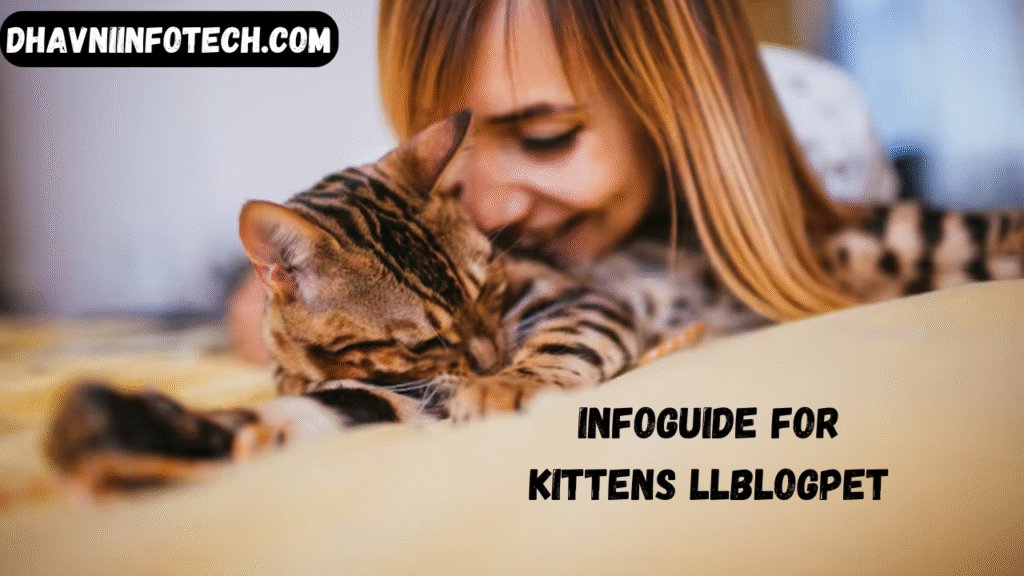
A key part of the infoguide for kittens llblogpet is learning how kittens grow and what they need at each stage. Kittens change rapidly, both physically and behaviorally, and understanding these phases helps you provide proper care.
During the first eight weeks, kittens depend heavily on their mother for nourishment and warmth. By four weeks, they begin exploring, playing, and developing early social skills. At eight to twelve weeks, their energy levels increase dramatically and their personalities begin to form. This infoguide for kittens llblogpet emphasizes that early development is the foundation for confident adult cats.
Beyond three months, kittens learn boundaries, communication, and independence. Being aware of these stages ensures that your kitten receives the right balance of guidance and freedom.
Preparing Your Home for a Kitten Infoguide for Kittens llblogpet
Creating a safe, welcoming environment is one of the first steps discussed in the infoguide for kittens llblogpet. Kittens are naturally curious, which means they can get into trouble easily.
Remove small objects they might swallow, secure loose wires, and ensure toxic plants or substances are out of reach. A cozy resting space, preferably in a quiet corner, helps them feel secure. The infoguide for kittens llblogpet also recommends introducing your kitten slowly to each area of the home so they don’t feel overwhelmed.
Soft bedding, a safe hiding spot, and designated play areas can help your kitten adjust quickly. Setting up essential supplies before their arrival makes the transition smoother.
Feeding Essentials for Growing Kittens Infoguide for Kittens llblogpet
Nutrition is a vital subject in the infoguide for kittens llblogpet because kittens require a diet rich in proteins, fats, and nutrients to support rapid growth.
Kittens need specially formulated kitten food until they reach one year of age. These foods contain higher calorie content and essential fatty acids. Feeding schedules also matter: younger kittens may need multiple small meals throughout the day, while older ones can transition to two or three meals.
Fresh water should be available at all times. The infoguide for kittens llblogpet stresses avoiding human foods, as many can be toxic to cats. Choosing high-quality commercial food ensures your kitten thrives.
Health and Veterinary Care Infoguide for Kittens llblogpet

Health care plays a crucial role in the infoguide for kittens llblogpet, especially during the kitten’s first year. Early veterinary visits help monitor development and provide essential vaccinations.
Core vaccines protect against serious illnesses, and parasite prevention is equally important. This includes protection from fleas, ticks, and worms. The infoguide for kittens llblogpet also highlights the importance of spaying or neutering to prevent unwanted litters and reduce certain health risks.
Routine checkups help catch early signs of illness. Kittens may hide symptoms, so staying observant and following veterinary guidance ensures long-term well-being.
Litter Training and Hygiene Infoguide for Kittens llblogpet
Litter training is often easier than new owners expect, and the infoguide for kittens llblogpet explains how to make the process smooth and stress-free.
Most kittens naturally understand litter boxes, but placement and cleanliness matter. Keep the litter box in a quiet, accessible location. Clean it daily to avoid odors and encourage consistent use. The infoguide for kittens llblogpet recommends choosing unscented litter, as strong fragrances may repel kittens.
Teaching proper hygiene habits early helps your kitten grow into a well-behaved adult cat with minimal accidents or litter issues.
Grooming Basics Infoguide for Kittens llblogpet
Grooming is an important topic in the infoguide for kittens llblogpet because proper grooming habits prevent health problems and strengthen the bond between you and your kitten.
Brush your kitten regularly, especially if they have long fur, to reduce shedding and prevent hairballs. Introduce grooming tools gradually so they become comfortable with handling. Nail trimming, ear cleaning, and occasional baths (only if necessary) are also part of responsible care.
The infoguide for kittens llblogpet suggests making grooming sessions positive experiences with treats and gentle handling.
Kitten Behavior & Training Infoguide for Kittens llblogpet

Understanding behavior is essential to the infoguide for kittens llblogpet because kittens express emotions through actions. Playful biting, scratching, zooming, and climbing are all normal behaviors.
Training kittens early shapes good habits. Provide scratching posts to protect furniture, interactive toys to channel energy, and positive reinforcement to teach commands or boundaries. The infoguide for kittens llblogpet encourages avoiding punishment, which can create fear and mistrust.
Socialization is equally important. Exposing kittens to new sounds, people, and environments helps them grow into confident adult cats.
Choosing Toys and Enrichment Infoguide for Kittens llblogpet
The infoguide for kittens llblogpet explains that kittens need mental and physical stimulation to stay healthy. Toys mimic natural hunting behaviors and provide fun outlets for energy.
Consider rotating toys to prevent boredom. Feather wands, balls, tunnels, climbing towers, and puzzle feeders are excellent choices. Enrichment keeps your kitten’s brain active and helps them avoid destructive behavior.
This part of the infoguide for kittens llblogpet emphasizes that playtime also strengthens your bond and builds trust.
Creating a Safe Socialization Plan Infoguide for Kittens llblogpet
Socialization shapes your kitten’s personality. The infoguide for kittens llblogpet encourages early exposure to gentle handling, new environments, and calm visitors.
Positive experiences help kittens become less fearful and more adaptable. Introducing other pets should be slow and supervised. The infoguide for kittens llblogpet recommends using scent swapping, gradual meetings, and treats to build comfort and familiarity.
Proper socialization ensures that your kitten grows into a friendly, confident companion.
Common Mistakes to Avoid Infoguide for Kittens llblogpet
The infoguide for kittens llblogpet also warns about common mistakes new owners make. These include feeding inappropriate foods, delaying veterinary care, inconsistent training, or lack of environmental enrichment.
Avoiding these mistakes protects your kitten’s health and strengthens your relationship. Consistency, patience, and awareness are key components of responsible pet parenting.
Conclusion Infoguide for Kittens llblogpet
Raising a kitten is an incredibly rewarding journey, and this infoguide for kittens llblogpet provides all the essential information you need to ensure a healthy start. With proper nutrition, safe environments, regular veterinary care, enrichment, socialization, and patient training, your kitten will grow into a happy, confident adult cat. This infoguide for kittens llblogpet serves as a complete roadmap for new and experienced cat lovers who want to create the best possible life for their feline companions.
FAQs Infoguide for Kittens llblogpet
What age should I adopt a kitten?
Kittens are best adopted around eight to twelve weeks when they are weaned and socially ready.
How often should kittens eat?
Young kittens need multiple small meals a day, while older ones can transition to fewer feedings.
Do kittens need baths?
Most kittens do not need regular baths unless they get dirty; grooming usually keeps them clean.
When should my kitten see a vet?
A veterinary visit should happen within the first week after adoption for exams and vaccinations.
How can I stop my kitten from biting?
Use toys for play, redirect gently, and avoid using hands as play objects.
Read More: The Mysterious Phenomenon of veraperformsanexorcism Origins Symbolism and Modern Interpretations