





















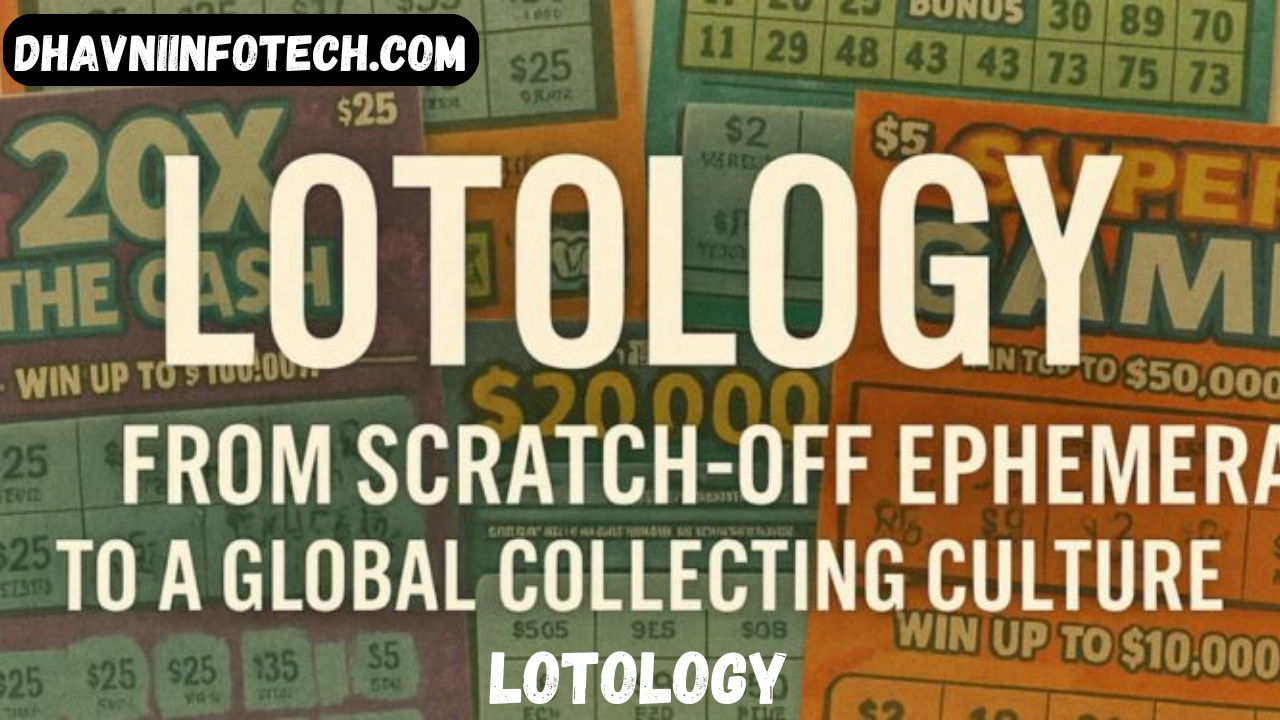
Lotteries have been part of human society for centuries, shaping dreams, sparking debates, influencing cultures, and funding public projects across the world. Behind this widespread phenomenon lies a lesser-known field that delves into every aspect of lottery life—from its numerical foundations to the emotional experiences of players. This field is known as lotology, a term that combines the fascination of chance with the study of human behavior, cultural artifacts, and statistical patterns.
While the average person views a lottery ticket as nothing more than a chance at wealth or a moment of hope, lotology uncovers a deeper world. It looks at the mathematics that governs the draw, the psychology that persuades individuals to play, the cultural significance of printed tickets, and the long history behind this form of legalized gambling. It even extends to collecting lottery tickets—both vintage and modern—as cultural items that preserve a unique part of society’s evolution.
This comprehensive article explores the many layers of lotology, offering insight into why people play, what lotteries say about a society, how numbers tell their own stories, and why old lottery tickets are suddenly becoming collectible treasures. Whether you’re a casual player, a writer researching the topic, a hobbyist collector, or simply someone curious about the deeper meaning behind this global pastime, this article will give you a full understanding of the world through the lens of lotology.
Understanding Lotology What Does It Really Mean?
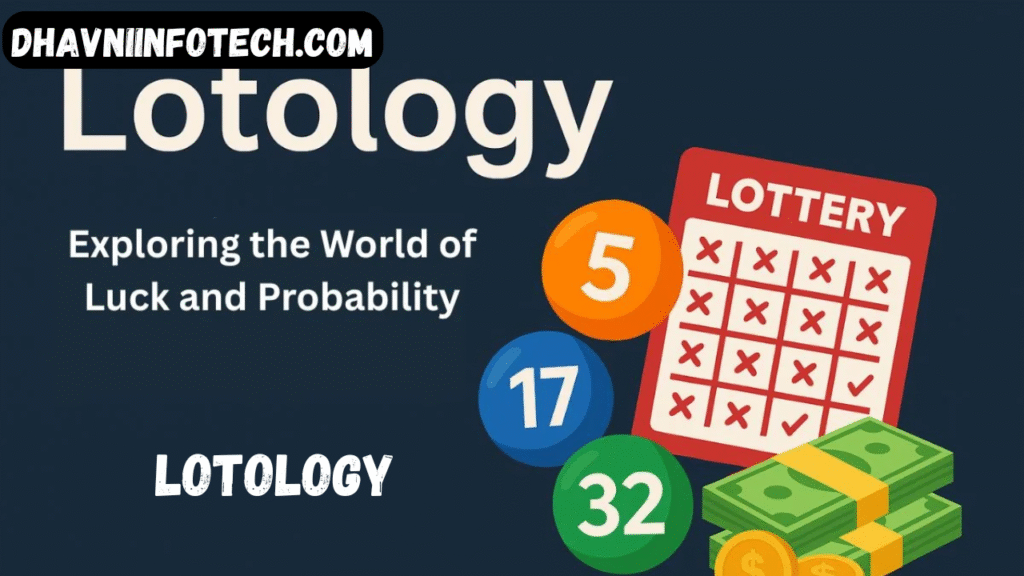
Lotology can be described as the complete study of lotteries and everything associated with them. It encompasses numerical analysis, human behavior, cultural trends, historical artifacts, and the evolution of lottery systems. Instead of focusing solely on winning strategies—which are limited by the nature of randomness—lotology looks at the broader picture.
The field covers:
- Mathematics and probability science
- Behavioral psychology and decision-making patterns
- Sociology and economic impact on communities
- Cultural and historical context
- Lottery ticket collecting and preservation
Although it may seem unusual, the study of lotteries makes sense once you realize how deeply intertwined they are with human hopes, entertainment, and public revenue systems. Lotology offers a structured way to analyze these elements and understand their influence on society.
A Brief History of Lottery Culture Around the World
Lotteries are not a modern invention. In fact, they date back thousands of years. Civilizations used lottery systems long before digital technology refined the way numbers are generated.
Ancient Origins
Historically, lotteries were used for distributing property, funding military campaigns, and selecting leaders or workers. Ancient Chinese dynasties recorded lottery-like practices that supported major construction projects. Greek and Roman societies also used games of chance, sometimes to raise funds or offer rewards.
Medieval and Renaissance Europe
During the Middle Ages and Renaissance, lotteries became a popular tool for governments and monarchies to raise revenue without increasing taxes. They funded public buildings, fortifications, and even universities. The concept of buying a ticket for a chance at a prize grew into a social norm.
The Modern Era
In modern society, lotteries transformed into a public entertainment outlet and a financial mechanism for supporting education, health initiatives, sports programs, and community services. Today, millions participate every week, and the lottery industry generates billions globally.
Through all these transformations, lotology provides a framework for understanding the evolution of these systems and their lasting impact.
The Mathematics Behind Lottery Draws
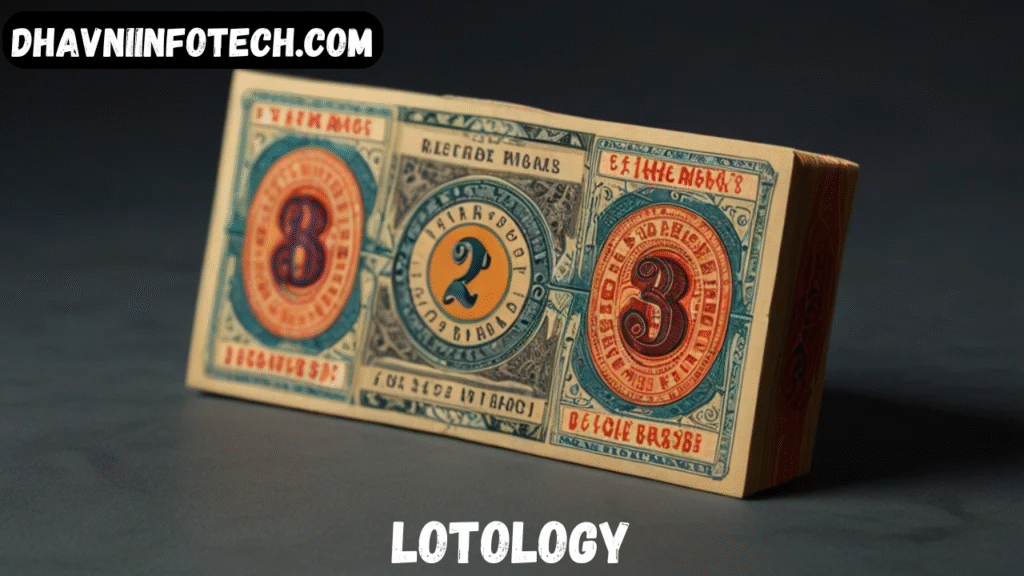
Lotteries might appear to be pure luck, but their structure heavily relies on mathematical principles. The core of every lottery system is probability. Lotology examines these probabilities to offer insights—not predictions—into how lotteries operate.
Randomness and Number Combinations
Random number generation is central to lottery integrity. Understanding the combinations can help players see just how challenging it is to hit the jackpot.
For example, a standard 6/49 lottery format involves calculating combinations of 49 numbers taken 6 at a time. The total number of combinations reaches into the millions. Lotology analyzes these probabilities to demonstrate the true odds and help players understand why winning is so rare.
Hot and Cold Numbers Myth vs Reality
Many players believe that some numbers appear more frequently than others. Lotology examines long-term data patterns to show that any appearance of “hot” or “cold” numbers is usually coincidence. Random draws mean that all numbers have equal chances in every game.
The Law of Large Numbers
Over time, probability tends to balance out. This means that irregularities in short-term results eventually even out in the long run. Lotology often highlights this principle to dispel lottery myths and prevent the spread of inaccurate strategies.
Psychological Patterns in Lottery Participation
Lotteries are a window into human psychology. People don’t just play because of chance—they play because of emotion. Lotology investigates these motivations to understand why millions participate despite the slim odds.
Hope Dreams and Emotional Rewards
Lotteries appeal to the universal desire for a better life. For many players, buying a ticket is equivalent to purchasing a moment of hope—a brief escape from routine. The thrill of imagining a win can be rewarding in itself.
The Illusion of Control
Many players develop rituals or lucky numbers. While these habits have no effect on outcomes, they offer a sense of personal involvement. Lotology explores why individuals feel more confident when using numbers tied to birthdays, anniversaries, or meaningful dates.
The Gambler’s Fallacy
This is a common belief that if something hasn’t happened for a long time—like a number not appearing—it is “due” to occur soon. Lotology challenges this misconception, explaining that independent events, like lottery draws, do not influence each other.
Risk and Reward Psychology
People often underestimate the risk of losing and overestimate the possibility of winning. Lotology takes an objective approach to highlight this imbalance and promote responsible participation.
Lotteries and Society Economic and Social Influence
Lotteries generate significant revenue worldwide. Understanding their impact is another major theme within lotology.
Funding Public Programs
Many national and regional lotteries allocate their profits to public services. This can include:
- Education
- Health care
- Sports development
- Arts and cultural programs
- Community development
- Infrastructure improvements
Lotology examines the benefits of this funding model and how it helps communities thrive.
Economic Behavior Among Different Income Groups
Research shows that lottery participation varies across socioeconomic classes. Some play for entertainment, while others see it as a potential financial escape. Lotology reviews these patterns to highlight the need for ethical regulation and responsible play.
Debates Around Fairness
Lotteries raise questions regarding fairness and responsibility. Critics argue that they disproportionately attract lower-income players, while supporters highlight their role in funding public programs. Lotology explores both perspectives to present a balanced understanding.
The Art and Collectible World of Lottery Tickets
Beyond mathematics and psychology, lotology extends into culture through the collecting and preservation of lottery tickets.
Why People Collect Lottery Tickets
Collectors are fascinated by:
- Ticket designs
- Historical value
- Limited editions
- Misprints
- International variations
- Artistic creativity
Many tickets are beautifully designed, reflecting trends, events, or national symbols. This makes them appealing items for collectors.
Vintage Tickets as Cultural Artifacts
Old tickets offer a glimpse into the past. They capture moments in time—economic conditions, artistic styles, and marketing strategies of earlier decades. Lotology helps preserve this history by treating these tickets as cultural records.
Misprints and Rare Finds
Just like stamps or currency, misprinted lottery tickets can become valuable. Some collectors specifically seek these anomalies due to their scarcity. Lotology includes studying and documenting such rare items.
Challenges in Preservation
Paper-based collectibles face issues such as fading, tearing, and environmental damage. Lotology encourages proper preservation techniques to maintain the historical integrity of these artifacts.
Digital Transformation and the Future of Lottery Systems
Modern technology has reshaped lotteries, expanding participation and introducing new features.
Online Platforms and Mobile Apps
Players can now buy tickets through digital platforms, simplifying access and offering new types of games. Lotology analyzes the impact of these advancements on participation trends.
Data Analytics and Number Tracking
While no system can predict a truly random draw, technology allows players to track data patterns more easily. Lotology reviews these tools objectively, emphasizing that entertainment—not guaranteed winnings—should be the goal.
Blockchain and Transparency
Some modern lotteries experiment with blockchain technology to improve transparency and fairness. Lotology keeps an eye on these developments as the industry continues to evolve.
Responsible Lottery Participation
While lotteries offer enjoyment, they also require responsible behavior. Lotology emphasizes that players should:
- Set limits
- Play for entertainment, not financial solutions
- Understand the odds
- Avoid chasing losses
- Maintain balance and perspective
The ultimate goal of lotology is not to promote excessive play but to help individuals understand the structure, meaning, and impact of lotteries.
The Importance of Lotology in Today’s Society
Lotology provides value on multiple levels:
- It educates people about probability and randomness.
- It reveals the emotional factors influencing lottery participation.
- It highlights the social and economic impact of lottery systems.
- It preserves cultural and historical artifacts.
- It encourages responsible and informed participation.
By studying lotteries through a thoughtful lens, lotology turns a simple game of chance into a meaningful subject that reflects human history, culture, and behavior.
FAQs About Lotology
1. What is lotology?
Lotology is the study of lotteries, including their mathematical structure, psychological influence, cultural significance, historical development, and collectible artifacts such as tickets.
2. Why do people study lotology?
People study lotology to understand how lotteries work, why they attract so many participants, and what impact they have on culture, society, and individual behavior.
3. Can lotology help someone win the lottery?
Lotology does not guarantee lottery winnings. It focuses on understanding patterns, probability, and human behavior—not predicting outcomes.
4. Are lottery tickets collectible?
Yes, many people collect lottery tickets for their artistic designs, historical importance, limited editions, and misprints. They are considered cultural artifacts.
5. Does lotology promote responsible play?
Yes. One of the goals of lotology is to encourage awareness, informed decision-making, and responsible participation in lottery games.
Read More: WPRA Portal Comprehensive Guide to Features Benefits and Usage